
.avif)

The Single-SIEM SOC Is Over. Here’s What Comes Next.
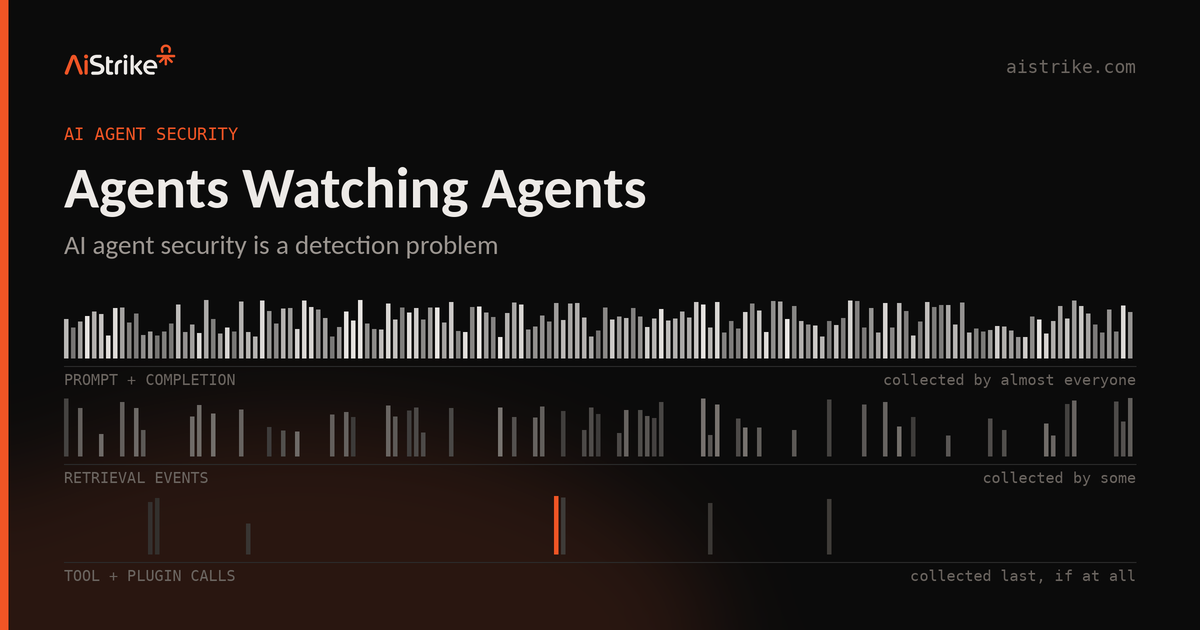
For years, the security industry pushed enterprises toward a single-SIEM strategy: centralize the data, standardize the tooling, run investigations from one place. That world no longer exists. Today’s large enterprises operate in a distributed reality. Logs and telemetry live across multiple SIEMs, cloud security platforms, SaaS applications, identity systems, and data lakes. The result isn’t one security platform. It’s many. Attackers don’t care where your data lives. They move across environments, identities, endpoints, and applications without respecting platform boundaries. Meanwhile, analysts pivot between consoles, manually correlate alerts, and stitch together attacks across disconnected systems.
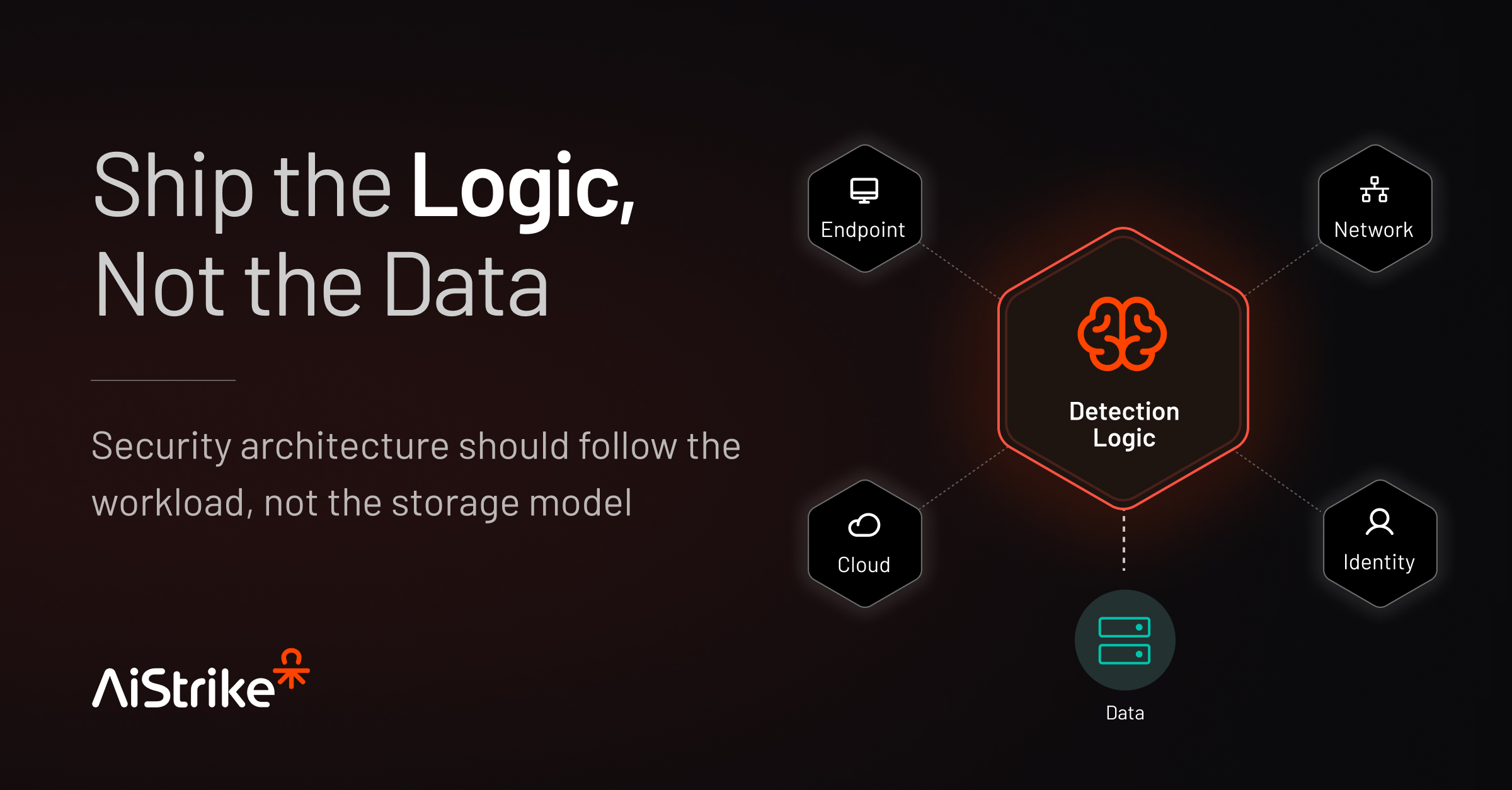
The problem isn’t having multiple SIEMs. The problem is trying to run a single SOC on top of fragmented data and tools. We’re entering a new phase of security architecture - one defined by distributed telemetry and distributed controls. In today's AI era, forcing everything into one system is neither realistic nor desirable. What organizations need is the ability to operate across all of it as one. The modern SOC should not depend on where data lives. Detection logic, investigations, and response must operate across environments from a unified layer. That layer doesn’t replace existing platforms. It connects them. It adds context across them. It enables security teams to act across them.
This is where a new architectural layer becomes necessary. An intelligence layer above SIEMs, data lakes, cloud platforms, and identity systems - one that correlates signals, manages detections centrally, and drives investigation and response across the entire environment. We call this layer the AI fabric. The AI fabric sits above distributed security infrastructure and turns it into a unified operating system for the SOC. It allows teams to keep the platforms they need, whether for compliance, cost, performance, or specialization - while running detection, investigation, and response as a single system.
.png)

.avif)
.avif)
.avif)
.avif)
.avif)


.avif)
.avif)

.avif)

.svg)
.png)